Topic

Vocalist

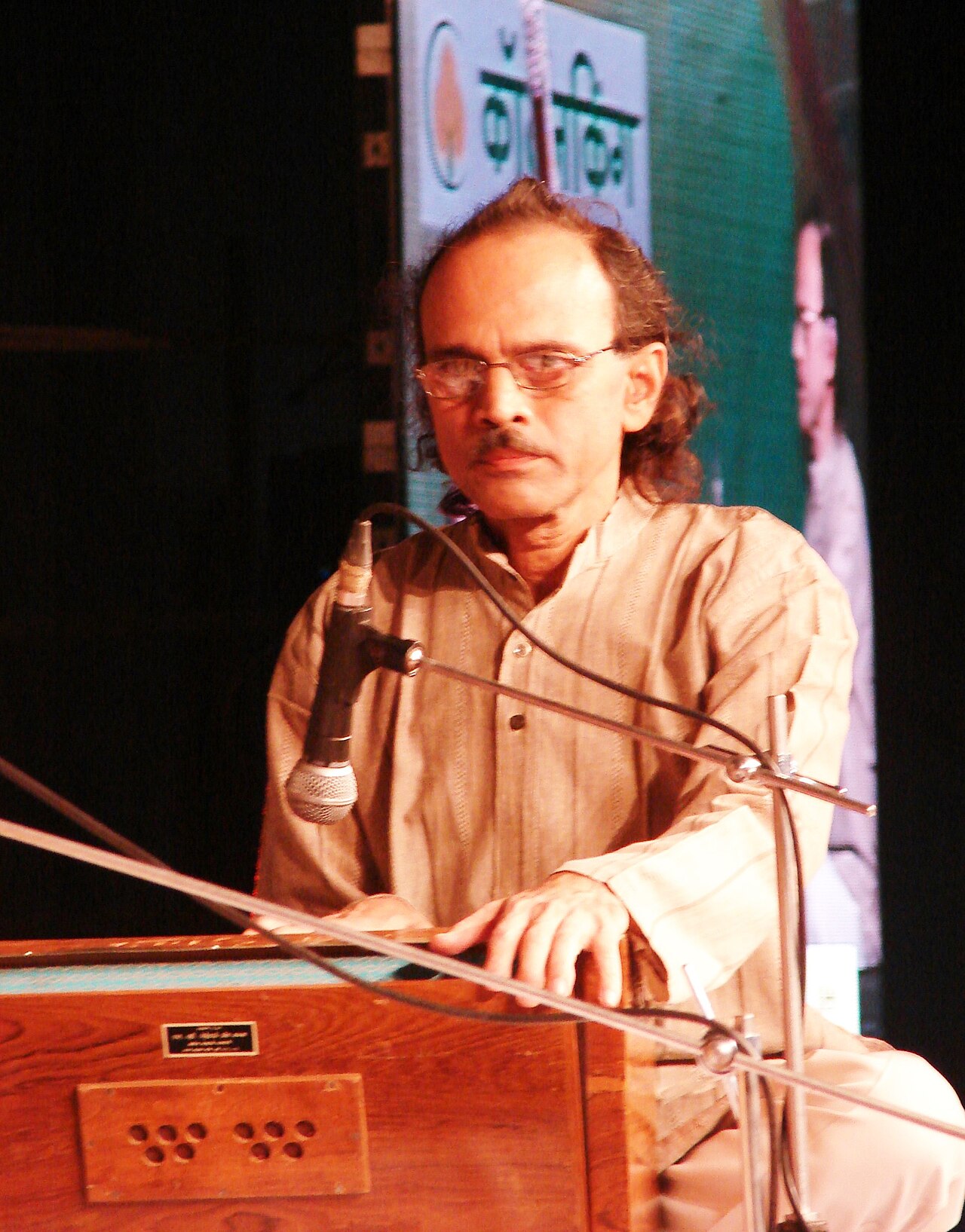
The harmonium was adopted by Indian music in the 19th century for one reason — it makes a better vocal accompaniment than any other keyboard instrument. Its sustained drone locks your ear to Sa, its dynamic range breathes with your voice, and its two-octave span matches almost any singer's comfortable range. But playing harmonium well as a vocalist is different from playing it as an instrumentalist. You are not performing melody; you are supporting voice. That means mastering bellows dynamics over harmonic flair, learning breath-sync with singers, and choosing an instrument configured for vocal work rather than classical solo. The articles in this collection address the singer's perspective: how to pick between harmonium and keyboard for bhajan, how to play Om Jai Jagdish Hare and Hanuman Chalisa as supporting accompanist, how the 5 advanced bellows techniques build from amateur to pro accompaniment, and how to pick your first kirtan-optimized instrument. Every piece assumes you sing — not play instrumentally — and shapes its advice accordingly.

9 articles

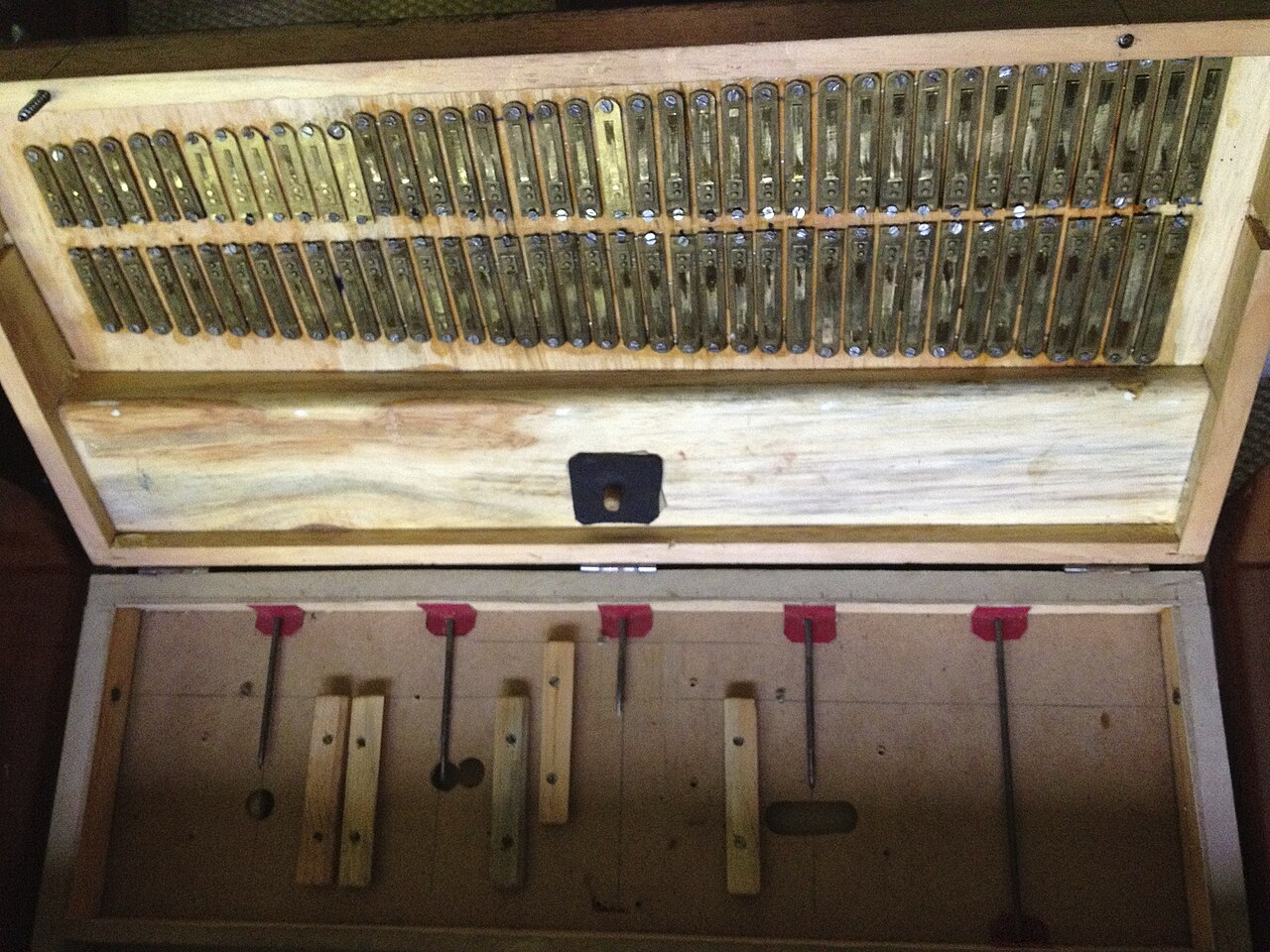
How to Tune a Harmonium at Home: A Practical 440 Hz vs 432 Hz Guide
Tutorials

How to Tune a Harmonium at Home: A Practical 440 Hz vs 432 Hz Guide

Tuning a harmonium at home takes three things — a chromatic tuner app, a fine reed file, and patience. Raise a reed's pitch by filing material off its free tip; lower it by placing a pinprick of beeswax near the tip. The real decision, before you touch any reed, is which reference pitch to tune to: A440 (the Western standard) or A432 (the traditional Indian standard aligned to vocal Sa).

11 Min Read·April 14, 2026
Harmonium vs Keyboard for Bhajan Singing: A Vocalist's Honest Guide
Tutorials

Harmonium vs Keyboard for Bhajan Singing: A Vocalist's Honest Guide

If you sing bhajans, kirtans, or ghazals, the instrument you choose shapes every session — your intonation, your stamina, your phrasing. A harmonium gives you a sustained, drone-like pad that locks your ear to Sa; a digital keyboard gives you dynamic expression, preset variety, and silence-on-demand. Most serious vocalists end up owning both. But the right first pick depends on three things: how often you sing, what repertoire, and whether you practice at home or on the road.

9 Min Read·April 14, 2026
Om Jai Jagdish Hare on Harmonium: Full Sargam Notation with Step-by-Step Guide
Tutorials

Om Jai Jagdish Hare on Harmonium: Full Sargam Notation with Step-by-Step Guide

Om Jai Jagdish Hare is the most widely sung aarti in Hindu devotional practice — composed by Shraddha Ram Phillauri in 1870 and performed in nearly every Indian household at evening prayer. The melody fits cleanly into Bilawal thaat (equivalent to C major) and uses only shuddh notes, which makes it one of the easiest aartis to learn on harmonium. Below you will find the complete verse-by-verse sargam notation with Sa = D for a comfortable mixed-voice pitch, playing tips, and common regional variations.

8 Min Read·April 14, 2026
Hanuman Chalisa on Harmonium: Complete Sargam Notation and Practice Guide
Tutorials

Hanuman Chalisa on Harmonium: Complete Sargam Notation and Practice Guide

The Hanuman Chalisa — 40 chaupais composed by Goswami Tulsidas in the 1570s — is the most recited Hindu devotional text in the world, and the Gulshan Kumar / Hariharan 1992 recording shaped how most households sing it today. The melody sits in Kafi thaat with komal Ga and komal Ni, follows a repeating two-line pattern across all 40 verses, and needs steady bellows stamina more than harmonic complexity. Below: the full sargam for the opening doha and chaupai template, Sa = D for mixed voices, and practice strategy for the full 20-minute recitation.

9 Min Read·April 14, 2026
Playing Bollywood Songs on Harmonium: A Beginner's Method with Public-Domain Examples
Tutorials

Playing Bollywood Songs on Harmonium: A Beginner's Method with Public-Domain Examples

Most Bollywood film songs from 1960 onwards use just three scale families — Khamaj, Kafi, and Bhairavi — and most fit comfortably on a two-octave harmonium. This guide teaches a 5-step method for converting any Bollywood melody you can hum into sargam you can play, followed by a full worked example on Sare Jahan Se Achha (Iqbal, 1904 — public domain). Once you know the method, you no longer need pre-made notation books; you can lift any song by ear in an afternoon.

9 Min Read·April 14, 2026
Which Raga Should I Learn First? A Beginner's Decision Path
Tutorials

Which Raga Should I Learn First? A Beginner's Decision Path

Indian classical music has hundreds of ragas, and every teacher recommends a different starting point. The honest answer is that five ragas — learned in a specific order over 6 to 12 months — give you the technical foundation, emotional vocabulary, and muscle memory to approach any raga afterward. This article does not teach each raga in detail (for that, see our deep reference library at /learn/ragas); it teaches the decision path: which raga first, why that order, and how to know when you are ready for the next.

8 Min Read·April 14, 2026
5 Bellows Techniques That Separate Amateur from Pro Harmonium
Tutorials

5 Bellows Techniques That Separate Amateur from Pro Harmonium

Watch two harmonium players perform the same bandish at the same tempo. One sounds mechanical; the other sounds alive. The difference is almost never in the notes — it is in five bellows techniques that amateurs never practice deliberately and professionals do every day. This is a technique-deepening companion to /learn/techniques (which introduces bellows control for beginners); here we cover the advanced layer: pre-loading, accent pumping, micro-dynamics, swell shapes, and breath-sync with a vocalist.

10 Min Read·April 14, 2026
Scale Changer Harmonium vs Standard: Do You Actually Need One?
Tutorials

Scale Changer Harmonium vs Standard: Do You Actually Need One?

A scale changer harmonium lets you slide the entire keyboard sideways so your Sa lines up with a different physical key — effectively transposing the instrument without retuning. It sounds essential when a salesman describes it and overpriced when you see the sticker. The honest answer is that about 30% of serious harmonium players need one, 40% would benefit from one occasionally, and 30% are better off with a standard instrument for their entire career. This guide helps you figure out which of the three groups you belong to before you spend 20,000 extra rupees.

9 Min Read·April 14, 2026
Harmonium for Kirtan: How to Choose Your First Instrument Without Regret
Tutorials

Harmonium for Kirtan: How to Choose Your First Instrument Without Regret

Most first-time harmonium buyers either overpay for features they will never use or underpay and end up replacing the instrument within a year. For kirtan — where the harmonium primarily supports congregational singing with long sustained notes — the right first instrument needs three qualities and can ignore another dozen. This guide tells you exactly what to check, what to skip, what each price tier actually buys you, and which mistakes to avoid so your first harmonium becomes a 10-year companion instead of a 10-month waste.

10 Min Read·April 14, 2026